

2026 Nissan Rogue PHEV Charging and Battery Range Explained
The 2026 Nissan Rogue PHEV delivers an EPA-estimated 38 miles of all-electric range and 420 miles of total driving range. That is Nissan's first plug-in hybrid in the U.S. market, pairing a 20 kWh battery with a 2.4L gas engine for a combined 64 MPGe. This page breaks down how the charging system works, what each trim includes, and where to find inventory near Lewisville.
Feature Overview: What Makes the Rogue PHEV Battery System Stand Out
The 2026 Nissan Rogue PHEV carries a 20 kWh lithium-ion battery pack, the largest battery Nissan has placed in a U.S. production SUV to date. That capacity translates to 38 miles of EPA-estimated all-electric driving range, enough to cover most daily commutes without burning a drop of gasoline. When the charge runs low, a 2.4L naturally aspirated inline-4 engine takes over, extending total range to 420 miles on a combined charge and tank.
EPA fuel economy and range ratings for the 2026 Nissan Rogue PHEV
The system produces 248 hp and 332 lb-ft of torque through two electric motors. The front motor generates 114 hp and the rear motor adds 134 hp, giving the Rogue PHEV standard Intelligent AWD without a traditional driveshaft. On gas alone, the Rogue PHEV returns 26 mpg combined. Running on the combined electricity and gasoline system, the EPA rates it at 64 MPGe. That dual-source flexibility is the core reason this powertrain stands apart from a standard hybrid.
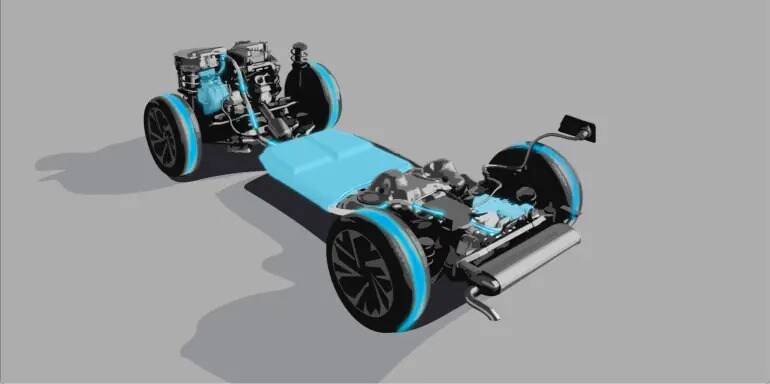
How It Works: Charging, Modes, and Regenerative Braking
Charging the 20 kWh Battery
The Rogue PHEV includes a 3.5 kW onboard charger and a standard portable Level 1 charge cable that plugs into any household 120V outlet. On a 120V connection, a full charge takes approximately 16 hours. On a Level 2 (240V) home charging dock, the battery reaches a full charge in about 7.5 hours. The Level 2 charger is sold separately and is not a Nissan product, but the Rogue PHEV accepts any standard J1772 connector.
For Lewisville drivers who plug in overnight on a Level 2 setup, the battery is ready each morning with the full 38-mile electric range intact.
EV, Save, and Charge Modes
Drivers can manage how the battery and engine share the load through three selectable modes:
EV Mode runs on battery power only, holding the gas engine off for zero-emission local driving.
Save Mode preserves the current battery state of charge, using the gas engine as the primary source while keeping stored range available for later.
Charge Mode uses the gas engine to actively replenish the battery while driving, useful before entering a city center where EV-only driving is preferred.
Regenerative Braking and e-Step
Lifting off the throttle or pressing the brake pedal feeds energy back into the battery through regenerative braking. Drivers can deepen that effect by shifting from D to B on the gear selector, engaging stronger regeneration. Activating the e-Step function enables one-pedal driving, where releasing the accelerator alone brings the vehicle to a near stop while recovering energy. These two options let drivers tailor the driving feel and squeeze additional miles from each charge in stop-and-go traffic.
Seven Drive Modes
The Rogue PHEV also offers seven terrain-specific drive modes: Normal, Power, Eco, Tarmac, Gravel, Snow, and Mud. In Eco mode, the system limits output to maximize battery efficiency and extend the all-electric range. In Power mode, both motors and the engine contribute simultaneously for full 248 hp acceleration.
Across the Trims: What Each Grade Includes
The Rogue PHEV is available in two trims, SL AWD and Platinum AWD. Both trims share the same core battery system, charging hardware, and powertrain. Neither trim changes the 20 kWh battery capacity, the 38-mile electric range, or the 420-mile total range. Every Rogue PHEV ships with the standard Level 1 portable charger and the J1772 port.
Where the trims diverge is in the supporting technology around the powertrain.
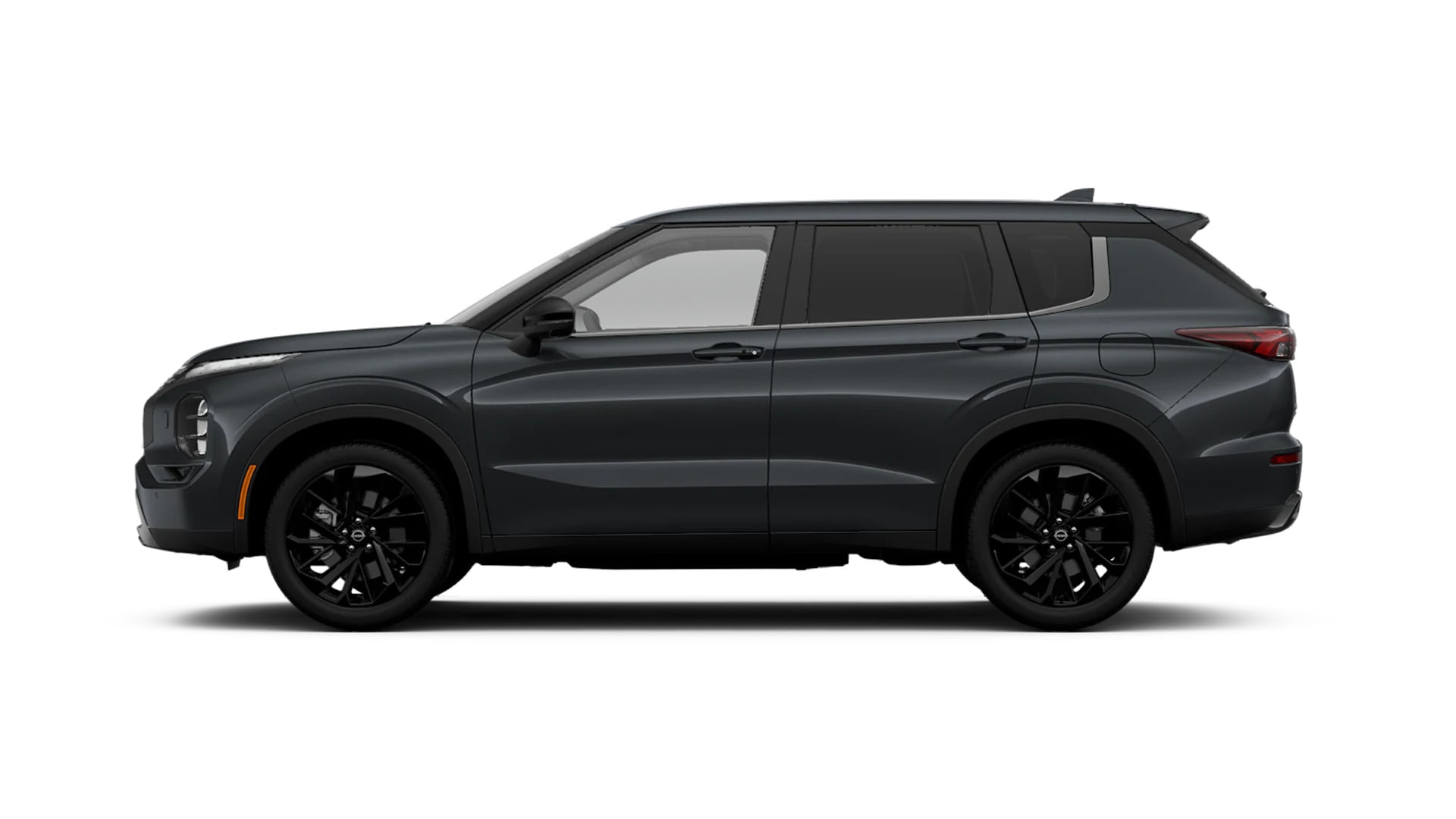
SL AWD
SL AWD includes the 12.3-inch digital instrument cluster with a dedicated EV power and charge display, a 9-inch infotainment touchscreen, wireless Apple CarPlay, wired Android Auto, a wireless charging pad for phones, and the NissanConnect Rogue PHEV Services app. That app adds Smart Remote Start, Car Finder, and Vehicle Status monitoring, so drivers can check battery state of charge remotely before leaving home.
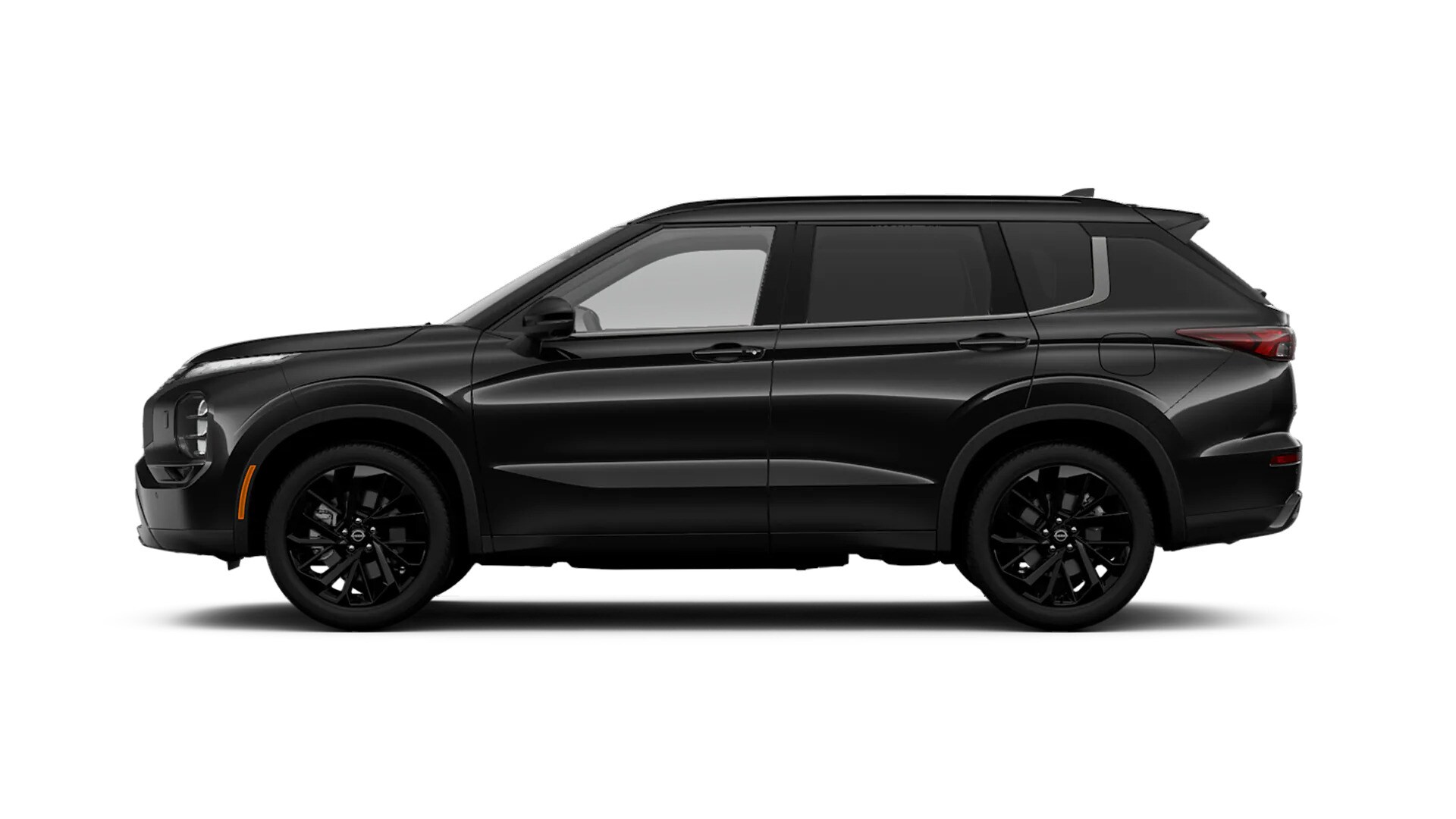
Platinum AWD
Platinum AWD adds a 10.8-inch head-up display that puts charge level and range information in the driver's sightline, a Bose 9-speaker audio system, a panoramic power sunroof, heated rear seats, leather-appointed seating, and two 120V / 1,500W AC power outlets. Those outlets, one in the cargo area and one at the rear seats, draw from the main drive battery. They power small appliances at a campsite or tailgate, making the battery pack useful even when the vehicle is parked.
2026 Nissan Rogue PHEV SL vs Platinum trim comparison
Real-World Benefit: What 38 Miles of Electric Range Means Day to Day
The U.S. average one-way commute is roughly 27 miles. U.S. average commute distance data For most drivers in the Dallas-Fort Worth area, including those coming from Lewisville into downtown Dallas or heading to Frisco, the 38-mile EV range covers a round trip entirely on electricity when the battery starts each day fully charged.
That means a typical weekday never touches the gas engine. Fuel savings compound quickly. Gasoline enters the equation on longer weekend drives, road trips, or any day a charge was skipped, and the 14.8-gallon tank with 26 mpg combined gas efficiency handles those without range anxiety.
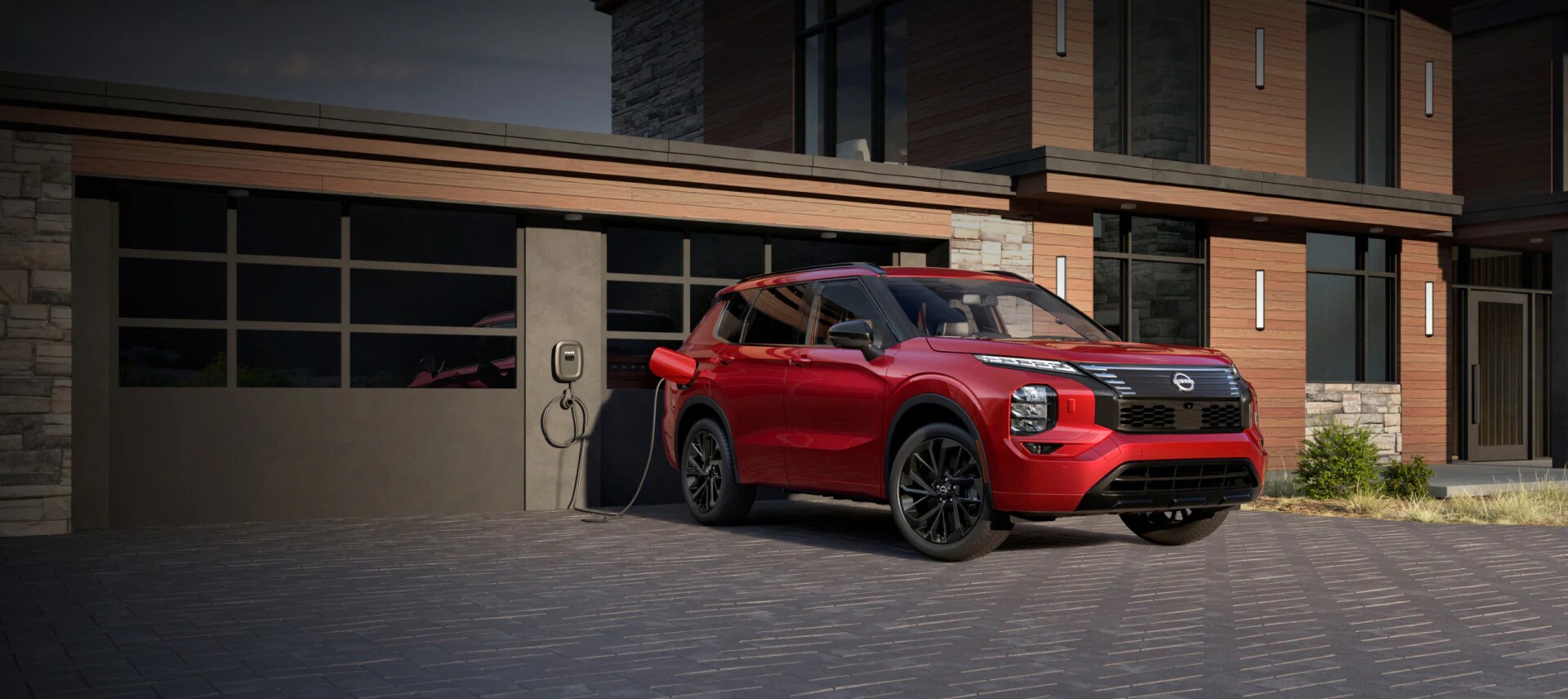
The NissanConnect app's Vehicle Status feature lets drivers confirm the state of charge from their phone before walking to the car, removing guesswork from morning routines. Remote Start through the app can also pre-condition the cabin temperature while the vehicle is still plugged in, so the battery range is not spent on heating or cooling.
For families who carry seven passengers regularly, the battery system supports the same full capacity with no reduction in seating. Cargo space behind the third row is 12.8 cu ft, expanding to 30.8 cu ft with the third row folded and 64.7 cu ft with the second row folded, and the PHEV hardware does not encroach on those figures versus the standard Rogue.
How It Compares: Rogue PHEV Battery Range in Context
The Rogue PHEV's 38-mile all-electric range sits at the practical top of the compact three-row SUV PHEV segment. Most competitors in this class offer between 20 and 30 miles of electric range. The Rogue PHEV's 20 kWh battery is notably larger than what rivals typically deploy, which is why the all-electric range clears the 35-mile threshold that covers most daily driving without gasoline.
The 64 MPGe combined rating places the Rogue PHEV at the efficient end of the PHEV SUV category. The 420-mile total range removes a common PHEV limitation: the anxiety of running out of electric range far from a charger. The gas engine is a genuine long-range backstop, not an emergency measure.
On the safety and driver assistance side, every Rogue PHEV includes ProPILOT Assist 1.12, Nissan Safety Shield 360, and the Intelligent Around View Monitor as standard. Those features are not trimmed away to offset the cost of the PHEV hardware. Competing PHEVs at a similar price often reserve semi-autonomous driving assist for upper trims only.
2026 Nissan Rogue PHEV safety features overview
See the 2026 Nissan Rogue PHEV at Nissan of Lewisville
The 2026 Rogue PHEV's 38-mile electric range and 420-mile total range make it the most capable daily-use PHEV Nissan has brought to U.S. dealerships. Shoppers in Lewisville and the surrounding DFW area can check live inventory, compare SL and Platinum configurations, and schedule a test drive through Nissan of Lewisville. A Level 2 charging conversation with the sales team can help you plan the right home setup before your first day of ownership.
Frequently Asked Questions
What is the all-electric range of the 2026 Nissan Rogue PHEV?
The EPA estimates 38 miles of all-electric driving range on a full charge. Total range combining the battery and the 14.8-gallon gas tank reaches 420 miles.
How long does it take to charge the 2026 Rogue PHEV?
On a standard 120V Level 1 outlet using the included portable charge cable, a full charge takes approximately 16 hours. On a Level 2 240V home charging dock (sold separately), charging time drops to about 7.5 hours.
Does the 2026 Rogue PHEV require premium fuel?
No. The 2.4L naturally aspirated engine runs on regular unleaded gasoline.
What is the MPGe rating for the 2026 Rogue PHEV?
The EPA rates the 2026 Rogue PHEV at 64 MPGe combined when operating on the combined electricity and gas system, and 26 mpg combined when running on gasoline only.
Do both the SL and Platinum trims have the same battery and range?
Yes. Both the SL AWD and Platinum AWD share the same 20 kWh battery, 38-mile all-electric range, and 420-mile total range. The Platinum trim adds a 10.8-inch head-up display and two 1,500W AC power outlets that draw from the drive battery.
Can the 2026 Rogue PHEV use DC fast charging?
No. The Rogue PHEV uses a 3.5 kW onboard charger compatible with Level 1 and Level 2 AC charging via the J1772 port. DC fast charging is not supported.
What is the NissanConnect Rogue PHEV Services app?
It is a smartphone app standard on both trims that lets drivers check battery state of charge remotely, locate the vehicle, and use Smart Remote Start to pre-condition the cabin while the car is still plugged in.
Does the PHEV battery reduce cargo space compared to the standard Rogue?
No. Cargo capacity is 12.8 cu ft behind the third row, 30.8 cu ft with the third row folded, and 64.7 cu ft with the second row folded. The PHEV powertrain packaging does not reduce passenger or cargo volume.