
2026 Nissan LEAF Charging and Range: 303 Miles, NACS Port, and Plug & Charge Explained
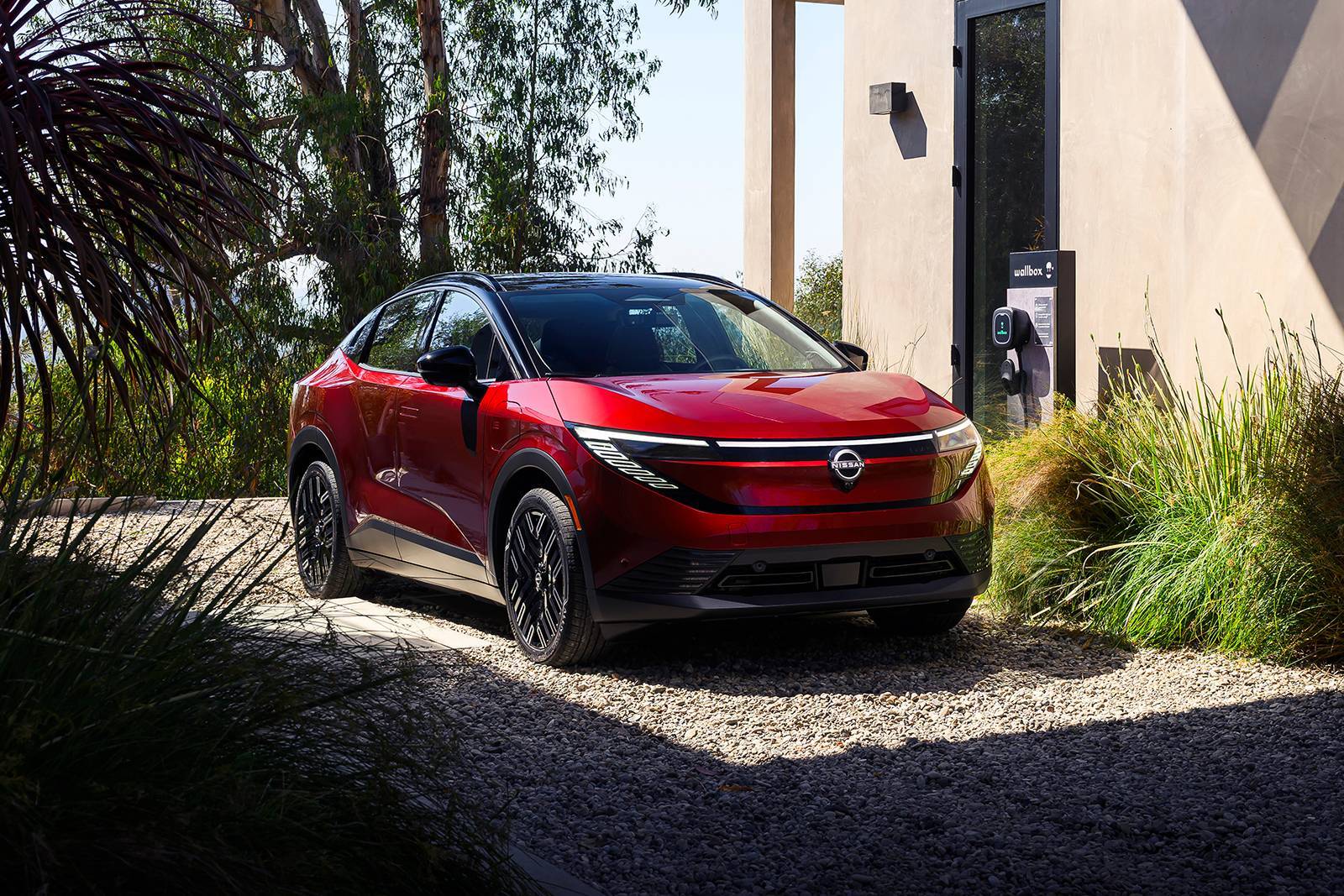
The 2026 Nissan LEAF delivers an estimated 303 miles of range on a 75 kWh battery with 214 hp. That range figure is a major step up, and the new NACS port opens access to over 20,000 Tesla Superchargers. This page breaks down how the charging system works, which trims get what, and where to find LEAF inventory in Lewisville.
Feature Overview: Why the 2026 LEAF Charging System Stands Out
The 2026 Nissan LEAF is built around one central promise: charging should never be a barrier to EV ownership. To back that up, Nissan equipped the LEAF with two physical charge ports, a 150 kW DC fast charging capability, and the first Plug & Charge system in Nissan's lineup. The 303-mile Nissan-estimated range per charge applies to the S+ grade and represents the most practical electric range Nissan has ever put into a mass-market EV at this price point.
For drivers in Lewisville and across the DFW area who want a daily commuter that can also handle a road trip without anxiety, the LEAF's charging architecture is the most complete Nissan has offered. It reaches from overnight home charging at Level 1 all the way to 150 kW public DC fast charging, and it connects to the NISSAN Energy Charge Network, one of the largest public charging networks in the U.S. with more than 100,000 in-network chargers.
2026 Nissan LEAF full specs and trims
How It Works: Dual Ports, Plug & Charge, and Cold-Weather Performance
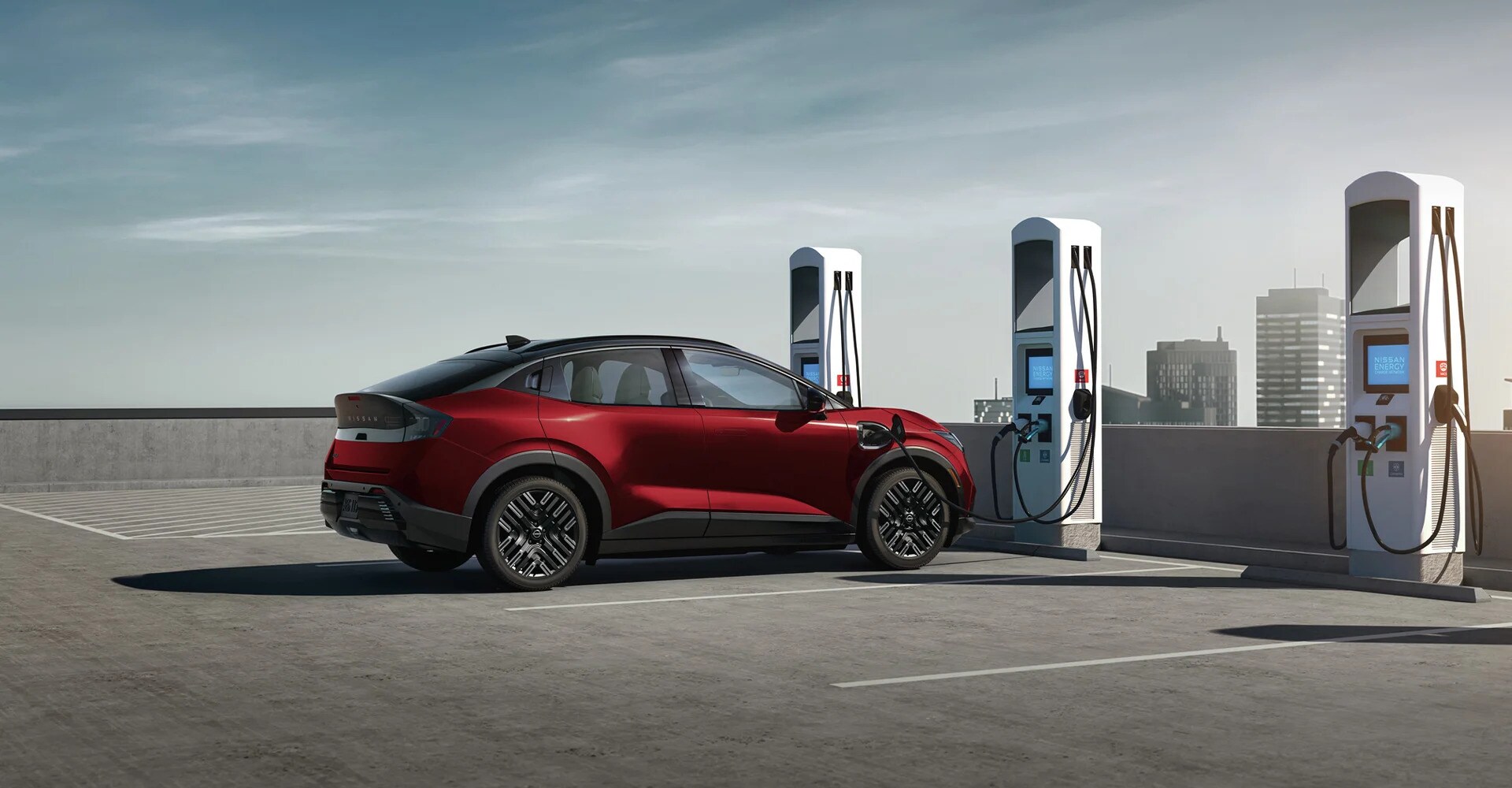
The 2026 LEAF carries two separate charge ports, each placed on a different fender, and that detail is deliberate.
J1772 port (driver's-side fender): This is the standard Level 1 and Level 2 port. Plug in at home with a 120V outlet for overnight top-ups, or use any J1772-compatible Level 2 public station. The LEAF includes a portable charge cable that handles both 120V and 240V connections.
NACS port (passenger-side fender): The North American Charging Standard port is the same connector format used by Tesla Superchargers. With more than 20,000 Tesla Supercharger locations across North America, this port dramatically expands where LEAF owners can recharge quickly. At a compatible Level 3 charger, the LEAF charges from 10% to 80% in an estimated 35 minutes at up to 150 kW. Tesla Supercharger network locations
Plug & Charge: The 2026 LEAF is the first Nissan vehicle to support Plug & Charge. When activated, pulling up to a compatible public fast charger and plugging in starts the session automatically. No app to open, no payment card to swipe. The vehicle and the charger authenticate each other and billing begins. A subscription and activation are required to use this feature.
Cold-weather charging: Cold temperatures are a known challenge for EV batteries. Nissan addressed this in the 2026 LEAF with an enhanced battery thermal management system. The 75 kWh lithium-ion pack is sealed beneath the vehicle with a resin cover that keeps cold air, snow, and slush away from the cells. The system also captures waste heat from the drive motor and the onboard charger, then routes that heat to warm the battery to its ideal operating range. A standard heat pump warms the cabin without drawing heavily on the main battery pack. An optional battery heater (available on all trims) lets the driver pre-warm the battery before a charging session in freezing conditions, which supports more predictable fast-charge performance.
MyNISSAN app and NISSAN Energy Charge Network: The MyNISSAN app connects the LEAF to over 100,000 in-network public chargers. Drivers can find stations, check real-time charger availability, and pay for sessions inside a single interface. Remote charge status monitoring, door lock and unlock, and Car Finder are also accessible through the app.
Across the Trims: What Each Grade Gets
All three 2026 LEAF trim grades share the same 75 kWh battery, the same dual-port charging architecture, NACS fast charging, Plug & Charge capability, and Vehicle-to-Load capability. The differences between trims sit in screen size, seat materials, audio, and available comfort features rather than in the core charging hardware.
S+
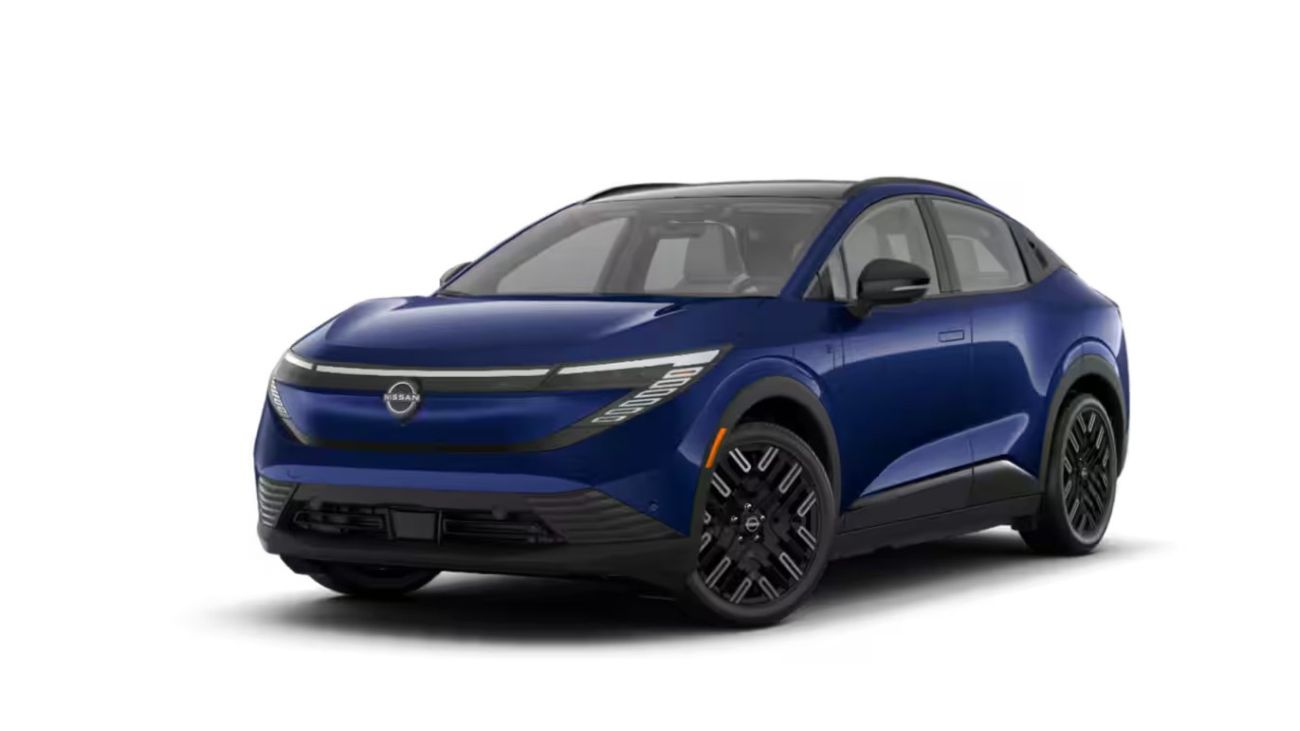
The entry point for the 2026 LEAF. Includes the full dual-port charging setup, 303 miles of Nissan-estimated range, Plug & Charge, and V2L capability. Displays use a 12.3-inch touchscreen and a 12.3-inch driver display. Wireless Apple CarPlay and wireless Android Auto are standard. The optional battery heater is available for cold-weather charging confidence. This trim returns a combined 121 MPGe.
SV+
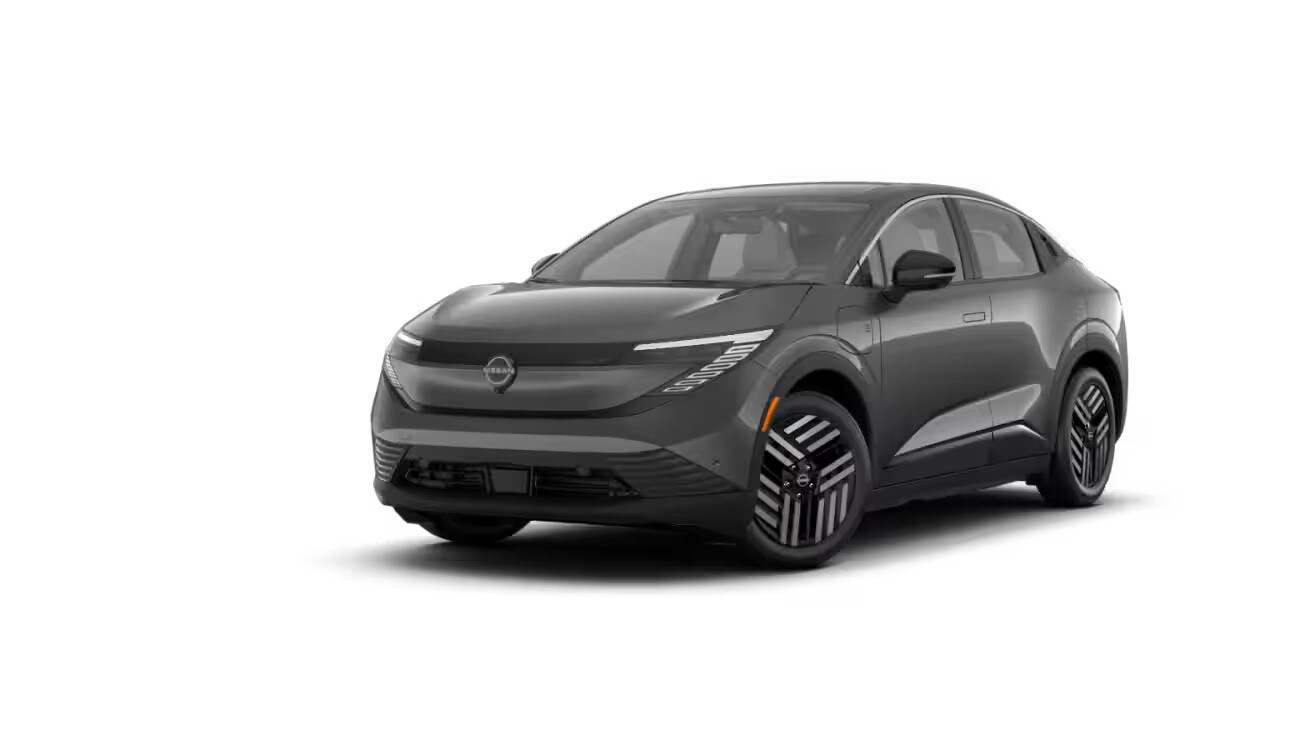
Steps up to 14.3-inch dual screens with Google built-in, which brings integrated Google Maps for route planning with charging stop recommendations. The Intelligent Route Planner identifies charging stations along a route, shows predicted state of charge at each stop, and lets the driver set a target arrival charge level. Two rear USB-C charge-only ports and a wireless charging pad are added. Front sonar sensors join the S+ sonar suite. Combined efficiency comes in at 114 MPGe.
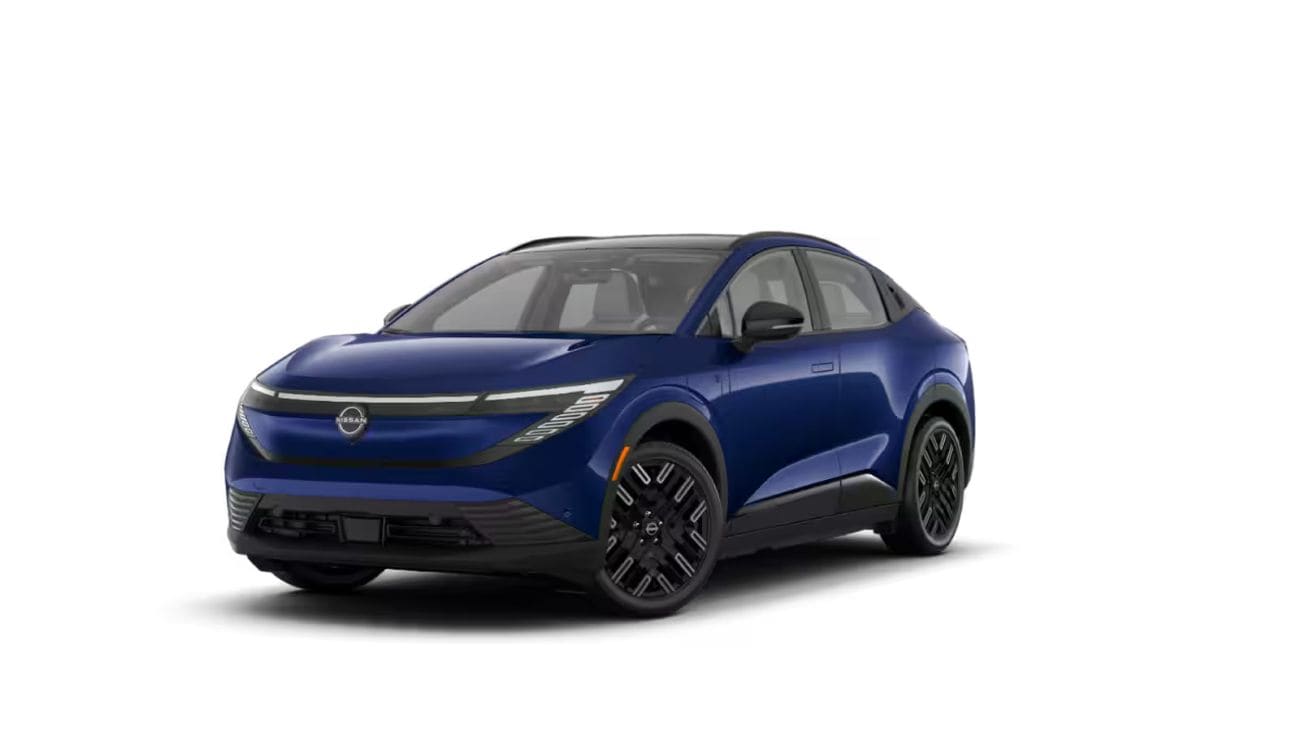
Platinum+
Adds the segment-first electrically dimming panoramic roof, a 10-speaker Bose Personal Plus sound system (class-exclusive), a head-up display, a hands-free power liftgate, and a V2L plug directly in the cargo area (in addition to the J1772-port V2L access). Heated front and rear seats, 19-inch wheels, and memory mirrors and driver's seat round out the top grade. Combined efficiency is 103 MPGe.
Every trim is also V2L-capable, meaning the LEAF can power external devices through a J1772 adapter at up to 1,500 watts through three 120V AC outlets. The Platinum+ adds a second V2L outlet directly in the cargo area for easier access.
Compare 2026 LEAF trims side by side
Real-World Benefit: What 303 Miles and Dual Ports Mean Day to Day
For most drivers in and around Lewisville, a 303-mile range means a full week or more of daily driving on a single overnight charge at home. The average American commute is well under 40 miles per day, so the LEAF's battery handles five to seven days of typical driving before needing a top-up. average U.S. commute data
When road trips come up, the NACS port removes the friction that made earlier-generation EVs inconvenient on long drives. Pulling into a Tesla Supercharger, plugging in, and walking away while the car authenticates and charges automatically is a genuinely different experience from managing apps and payment methods at different networks. At up to 150 kW, the 35-minute 10-to-80% charge window is short enough to align with a meal or a coffee stop without adding meaningful time to the trip.
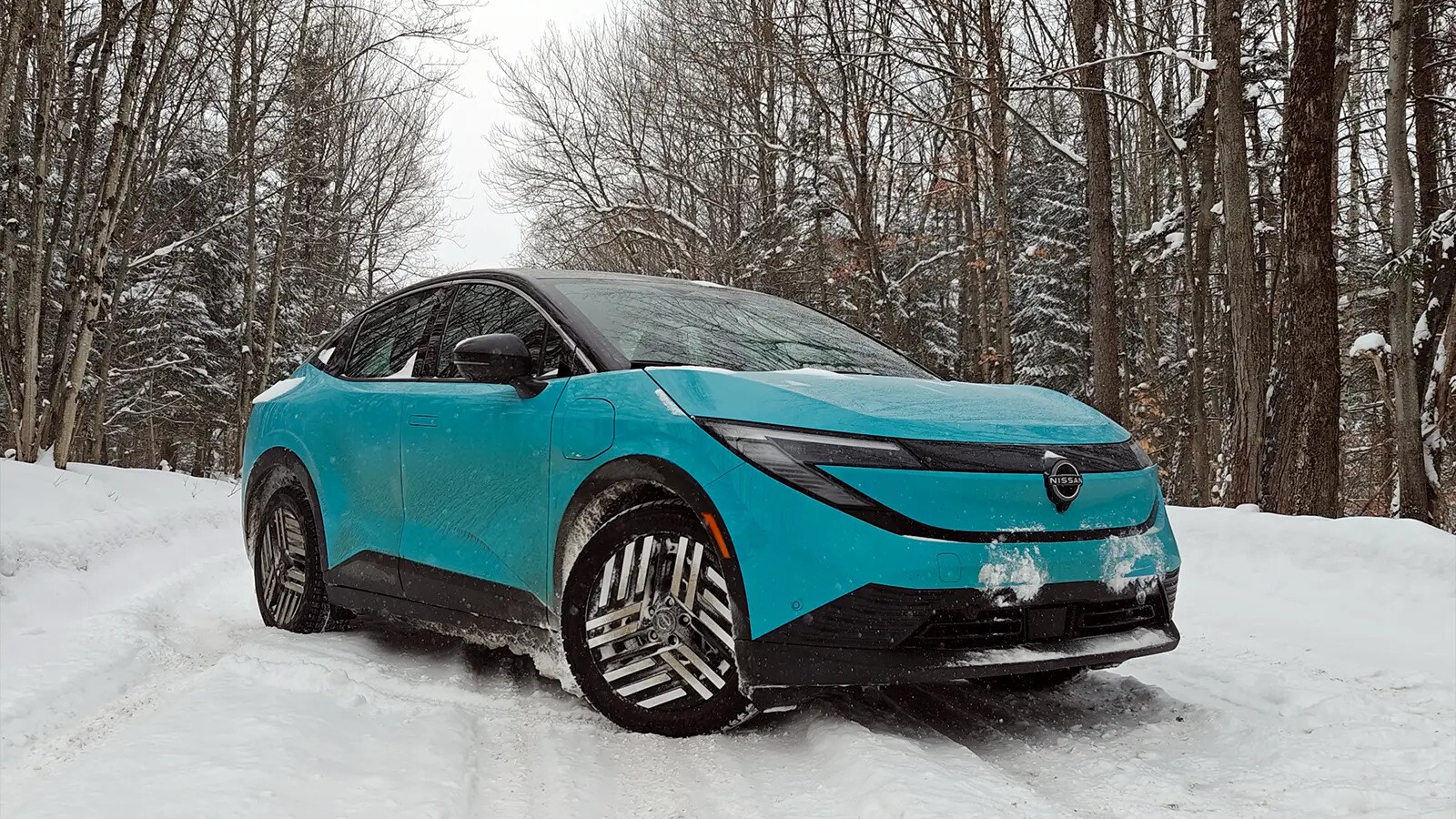
The cold-weather thermal management system matters specifically for Texas drivers who travel north during winter, or for anyone who parks outside overnight when temperatures drop. Pre-warming the battery through the MyNISSAN app before a morning departure keeps range loss minimal and charging behavior predictable.
Vehicle-to-Load capability adds a practical layer that goes beyond getting from point A to point B. At 1,500 watts of output, the LEAF can run power tools on a job site, keep a cooler running at a tailgate, or provide backup power during an outage.
How It Compares: Range and Charging Context Among Compact EVs
The 2026 LEAF's 303-mile range positions it at the upper end of compact EV range figures, and its NACS port gives it charging network access that many EVs in this segment still lack through a native port rather than an adapter. The 150 kW max DC fast charge rate is competitive for a compact EV at this price point.
The Plug & Charge feature is still not universal across the compact EV segment. The fact that it is standard-ready (with activation) on every LEAF trim, including the S+ at its price, reflects Nissan's goal of removing friction for first-time EV buyers.
The class-exclusive Intelligent Around View Monitor and the standard ProPILOT Assist on every trim are not charging features, but they contribute to the overall ease-of-use argument. A driver who is new to EVs benefits from technology that reduces the cognitive load of operating an unfamiliar vehicle format, and Nissan stacked those features across all grades rather than gating them to the top trim.
2026 Nissan LEAF safety features
See the 2026 Nissan LEAF at Nissan of Lewisville
The 2026 LEAF's 303-mile range, dual charging ports, Plug & Charge capability, and standard NACS access make it one of the most complete charging packages available in a compact EV at its starting price. Nissan of Lewisville carries 2026 LEAF inventory across all three trims. Browse available vehicles, schedule a test drive, or bring in your current vehicle for a trade appraisal using the links below.
Frequently Asked Questions
How far can the 2026 Nissan LEAF go on a charge?
The 2026 Nissan LEAF delivers an estimated 303 miles of range per charge on the S+ grade, based on Nissan's estimates. The SV+ is estimated at 288 miles and the Platinum+ at 259 miles. Range varies based on driving conditions, temperature, speed, and accessory use.
Does the 2026 LEAF work with Tesla Superchargers?
Yes. The 2026 LEAF includes a NACS (North American Charging Standard) port on the passenger-side fender, which is the same connector format used by Tesla Superchargers. This gives LEAF owners native access to over 20,000 Supercharger locations without an adapter.
How fast does the 2026 Nissan LEAF charge?
At a compatible Level 3 DC fast charger, the 2026 LEAF charges from 10% to 80% in an estimated 35 minutes at up to 150 kW. At home on a 240V Level 2 setup, charge time varies by configuration. Level 1 (120V) charging provides slower overnight top-ups.
What is Plug & Charge on the 2026 LEAF?
Plug & Charge is a feature that lets the LEAF authenticate automatically with a compatible public charger when plugged in. No app, no payment card, and no manual steps are required at the charger. A subscription and activation through Nissan are required to use this feature.
Does the 2026 LEAF have two charge ports?
Yes. The 2026 LEAF has a J1772 port on the driver's-side fender for Level 1 and Level 2 charging, and a NACS port on the passenger-side fender for DC fast charging at Tesla Superchargers and other NACS-compatible stations.
How does the 2026 LEAF perform in cold weather?
The 2026 LEAF uses an enhanced battery thermal management system that captures waste heat from the drive motor and onboard charger to keep the battery at an ideal temperature. A standard heat pump warms the cabin efficiently. An optional battery heater (available on all trims) allows pre-warming the battery before charging in cold conditions for more consistent performance.
What is Vehicle-to-Load (V2L) on the 2026 LEAF?
V2L allows the LEAF to power external devices through its J1772 port (adapter required) at up to 1,500 watts across three 120V AC outlets. The Platinum+ trim also includes a V2L outlet in the cargo area for easier access without the external adapter.
Which LEAF trim is best for long road trips?
Any 2026 LEAF trim works for road trips given the NACS port and Plug & Charge capability on all grades. The SV+ and Platinum+ add Google built-in with integrated charging stop planning through Google Maps and the Intelligent Route Planner, which makes multi-stop routes easier to manage.